Yoni Eggs: What Are They?
Want to learn about yoni eggs? Get educated on these powerful stones with this comprehensive guide.
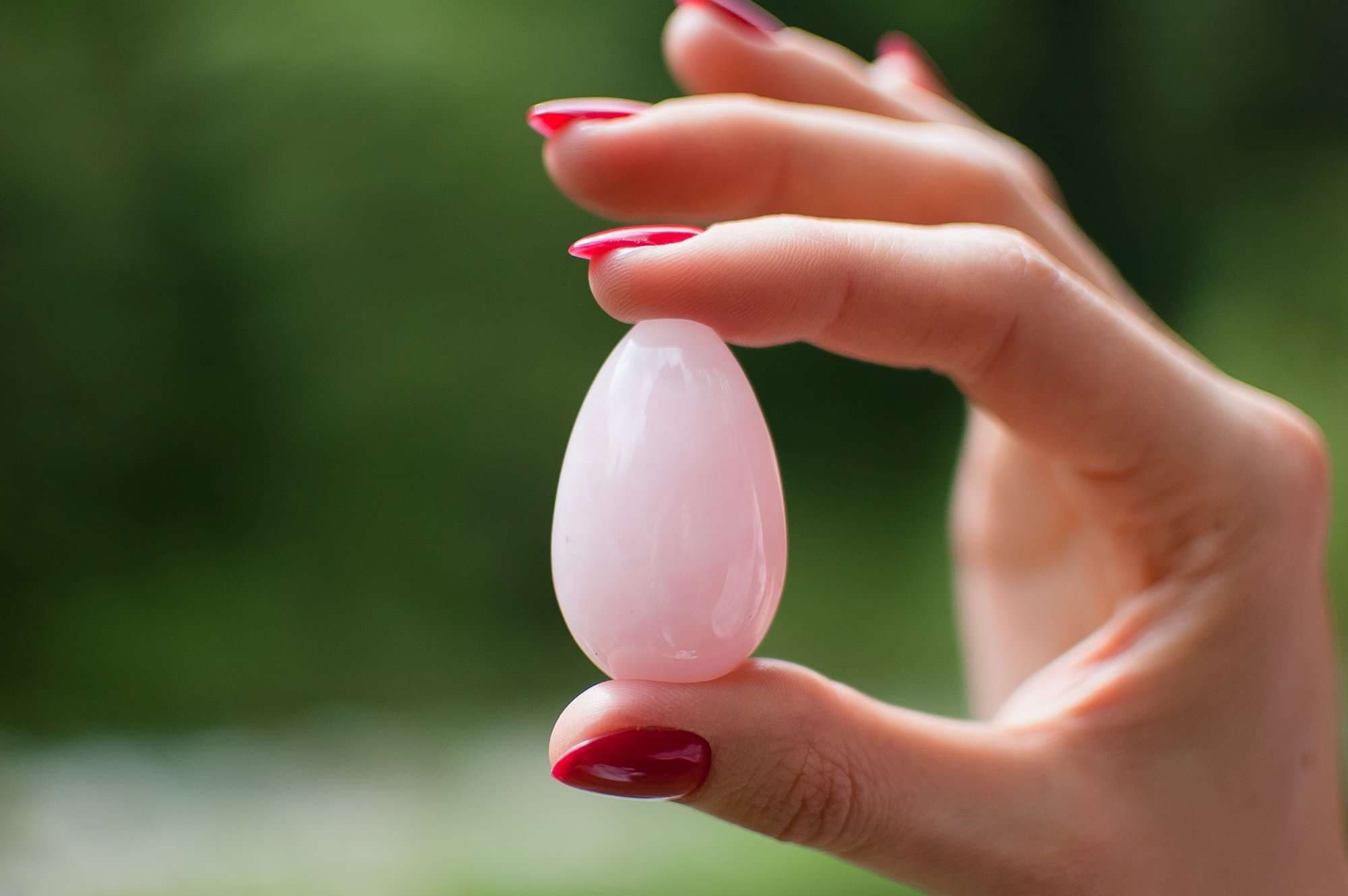
Yoni eggs have been called a wellness trend, an ancient ritual, and a controversial practice — sometimes all in the same article. Here's an honest, balanced guide to what they actually are.
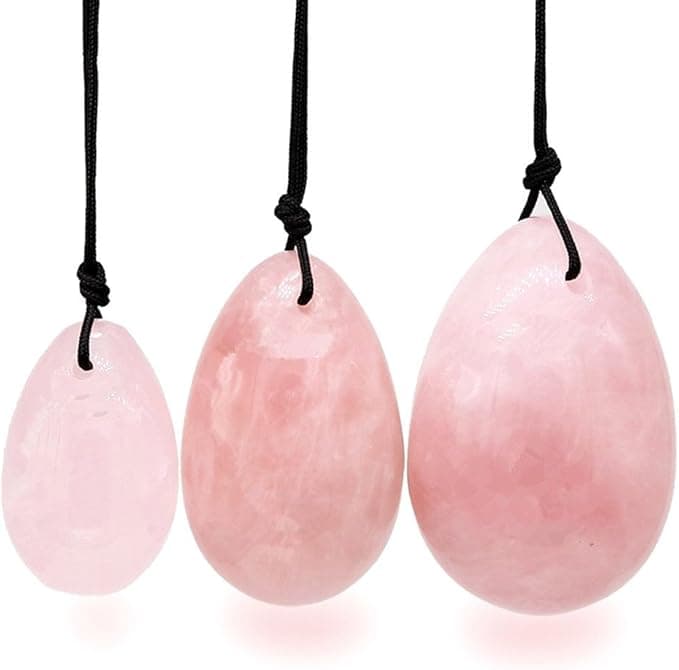
The basics: A yoni egg is a gemstone carved into an egg shape and polished smooth for internal vaginal use. They range from the size of a large grape to a small plum. Common materials include nephrite jade, rose quartz, black obsidian, amethyst, and tiger's eye.
Why the name "yoni"?: In Sanskrit, *yoni* refers to the female reproductive system — specifically the womb and vagina, regarded as the seat of feminine creative power. Calling these tools "yoni eggs" connects them to a broader philosophy of feminine body reverence.
The physical practice: The primary physical benefit claimed is pelvic floor strengthening. By inserting the egg and performing Kegel-style contractions, women work the levator ani, puborectalis, and other pelvic muscles. This can improve urinary incontinence, sexual sensation, and core stability.
The energetic practice: Beyond the physical, many practitioners use yoni eggs as part of a broader spiritual practice — setting intentions, working with specific stone energies, meditating with the egg inserted. This is personal and does not require any particular belief system.
A word on safety: Always buy from reputable sellers who use genuine, non-treated gemstones. Avoid synthetic or dyed stones. Jade should be nephrite or jadeite — not serpentine or other look-alikes sold as jade. Start with larger sizes and work down.
Our recommendations


Frequently asked questions
Yonifeel Editorial
Updated June 2, 2026